Learn Simon’s Simple Exercise for Finding Your WHY

Our founder and Chief Optimist, Simon Sinek, author of the bestselling book “Find Your WHY,” defines your “WHY” as the contribution you make to the world. It encompasses both your professional and personal purpose. According to Simon, it is a reflection of who we are as individuals. When Simon discovered his own WHY, it became a lens through which he viewed the world, influencing his decision-making and transforming his life. He jokingly adds, “I’m still the same idiot I was before, but I learned how to start with why and live my life with purpose.”

If you’re interested in how to find your purpose and uncovering your own WHY, it requires dedicated self-discovery. Simon can assist you in this process through our on-demand video course, “Find Your WHY.” (You can learn more about it here.) However, there is a simple way to begin by exploring your WHY on your own. It only takes a few minutes of your time and a conversation with a close friend.

Simon advises against doing this exercise with a spouse or family member, as those relationships are often too close and may not provide an objective perspective. By engaging with a trusted friend, you can gain fresh insights and an expert perspective on your journey to finding your purpose.

To begin, sit down with one of your closest friends and pose a single question to them: “Why are we friends?”

As they grapple for the right words, you will need to encourage them to delve deeper. Explain that this is an exercise aimed at gaining self-awareness, and it’s crucial that they collaborate with you to answer the question.

Typically, your friend will start by using common clichés to describe your friendship, such as “you’re always there” or “I can trust you.” You will need to push them to dig deeper. Simon explains, “You’ll have to challenge them and play devil’s advocate because phrases like that only scratch the surface of what defines a friend.” So, push further by asking, “What specific qualities or actions about me make you confident that you would support me unconditionally?”

They may continue to express uncertainty, saying things like, “I don’t know. This is a difficult question.” In these moments, allow them to keep talking. Maintain silence, actively listen, and above all, let them struggle to find the right words. It may seem like they are going in circles, but keep listening attentively.

Eventually, they will begin to describe themselves. Their sentences will start with phrases like “I feel…”, “You make me feel…”, and “When I’m around you, I feel…”

If the right words are spoken, you will experience an emotional response. You may feel goosebumps or become teary-eyed because they are articulating the value you hold in their lives. This emotional reaction serves as an indicator. As Simon explains, “This is when you realize that you’re in your element, and you’re now getting closer to understanding your WHY.”

Start Your Learning Journey Today

At the Optimism Company, we teach the human skills you need to unlock your potential and inspire a brighter future. Click below to read about The Optimism Library— our extensive collection of class offerings.

Once you have gained a clear understanding of what your friend means, make sure to take detailed notes. Then repeat this exercise with more friends. By comparing the notes from these conversations, you will begin to notice commonalities in what your friends say about you.

As you discover what you possess that your friends don’t find in anyone else, you will be one step closer to articulating your WHY and understanding the unique way you naturally make an impact in the world. Examples of a WHY could be: “to cultivate authentic connections, so that we can find fulfillment together,” “to open doors, so that together we can create opportunity for all,” and “to inspire creativity in the next generation, so that we all can enjoy a more artistic world.”

If you desire to delve even deeper and officially commence your WHY discovery journey, we are here to assist you. Explore our online course, “Find Your WHY,” to connect with your greater purpose and live a more intentional life.


Genius Life Lessons from Sylvester Stallone

If you’ve ever felt like your limitations are holding you back in your career or struggle with feelings of inadequacy, we’ve got a recommendation that might just inspire you. Take 90 minutes and check out the newly released Netflix documentary “Sly” about the life and career of Hollywood legend Sylvester Stallone. It doesn’t matter if you’re a fan of 80s action movies or you’re a sucker for 90s nostalgia, Stallone’s story is one of triumph and staying true to your purpose. Honestly, it left many of us deeply moved.

Among the details revealed in the documentary is that the entire Rocky franchise came into existence because Stallone, who was often typecast as a “thug” with few lines, wrote the script for himself when he couldn’t land a leading role. He was even offered hefty sums of money not to play the part after his script was well-received. At every turn of his career, Stallone—admittedly a very complicated man—continually embraced both his weaknesses and his strengths as he created the life he wanted with unwavering determination. 

The film is brimming with valuable life lessons and insightful wisdom from Stallone. Stallone, much like us, firmly believes in the power of maintaining an optimistic mindset when it comes to achieving success. “I believe any success in life is made by going into an area with a blind, furious optimism,” he says.

Simultaneously, Stallone emphasizes the importance of embracing failures along the way. “Success is usually the culmination of controlling failure,” he astutely explains. In another poignant moment in the film, he shares his perspective on rejection, viewing it as a wake-up call rather than a signal to retreat. “I take rejection as someone blowing a bugle in my ear to wake me up and get me going,” he remarks.

For those who possess a passion or purpose, Stallone advises wholehearted dedication and obsession in its pursuit. “I am not the richest, smartest, or most talented person in the world,” he humbly acknowledges. “But I succeed because I keep going and going and going.”

Towards the end of the film, Stallone, at the age of 77, encapsulates his outlook by stating, “I’m in the hope business.” He firmly believes in happy endings, and so do we. If you’re seeking a boost of optimism and a reminder that you can overcome obstacles, we’d recommend watching “Sly.” And if you’re interested in discovering your own purpose, be sure to explore Simon’s insightful course titled Find Your WHY by clicking right here.

Start Your Learning Journey Today

At the Optimism Company, we teach the human skills you need to unlock your potential and inspire a brighter future. Click below to read about The Optimism Library— our extensive collection of class offerings.

5 Signs Your Employer Wants You to Find Meaning in Your Work

It’s no secret that one of the biggest culprits behind burnout and unhappiness in American corporate life is having a busy job that feels meaningless. Study after study over the years has shown that jobs lacking any sense of purpose not only leave people emotionally drained, but also make them feel anxious, disconnected, and downright bored. But here’s the interesting little spark of optimism: it seems like workers are taking matters into their own hands.

Back in 2017, a study published in the journal Frontiers in Psychology found that a lot of folks are willing to take a pay cut if it means they can have a job that brings them greater fulfillment. A year later, the Harvard Business Review reported that a whopping 9 out of 10 workers would gladly trade higher pay for work that gives them a stronger sense of purpose. (They even went as far as saying that “meaning is the new money.”) A recent McKinsey study found that 70% of employees consider work a defining factor in their personal sense of purpose, which in turn drives both commitment and performance. 

Simultaneously, more and more companies are actively promoting their higher purpose. For instance, Warby Parker isn’t just an eyeglasses maker. It’s a business built on the mission that everyone deserves the right to see and gives away millions of glasses to people who can’t afford them. Starbucks, beyond being a coffee company, says its true cause is “to nurture and inspire the human spirit—one person, one cup, and one neighborhood at a time.”

These observations got us thinking: Are enough companies genuinely making efforts to attract and retain talent by offering meaningful work? Is your organization genuinely committed to helping you find great meaning and purpose in your role? It is worth noting that researchers have identified a phenomenon known as “purpose-washing,” where companies make empty claims about individual, social, or environmental missions solely to enhance their reputations.

These questions really hit home for us at the Optimism Company because helping people uncover their purpose, or their “WHY,” and live lives driven by meaning is at the very heart of who we are. In fact, we’ve defined our purpose, or what we call our “Just Cause,” as follows: “We envision a world where the majority of people wake up each morning feeling inspired, safe wherever they are, and go to bed fulfilled by the work they do. And we believe that the best way to bring this world to life is by committing to build it together.”

Start Your Learning Journey Today

At the Optimism Company, we teach the human skills you need to unlock your potential and inspire a brighter future. Click below to read about The Optimism Library— our extensive collection of class offerings.

Now, if you’re committed to finding meaning in your work, we recently came across an interesting article by two professors from King’s College London who shared some tell-tale signs that your own organization is genuinely invested in helping you find purpose in your work. If you’re interested, you can read the full article here, but we found a few of their “green flags” particularly insightful, so we wanted to share them with you right here:

The Five Green Flags:

  • Your company actually puts resources into supporting the purpose.
  • The purpose is actively communicated to everyone in the organization, not just a select few.
  • The company provides data that demonstrates tangible impact related to the purpose.
  • The purpose isn’t solely focused on generating revenue.
  • It evolves and adapts based on key performance indicators (KPIs) and rewards.

Regarding the last point, the professors write, “Simply giving purpose-driven workers autonomy isn’t enough: performance indicators and reward systems must also reflect the efforts to bring about change, while also providing opportunities for you and your colleagues to voice and develop a shared vision.” If you’re curious about exploring your own purpose as a professional, you might find Simon’s process for finding your WHY quite helpful. You can read about it here.

The Overlooked Skill That’s More Important Than Leadership

Click here for Simon’s full conversation with Shane Battier in the latest episode of A Bit of Optimism.

Shane Battier may not be a name that resonates as loudly as some of basketball’s greatest icons, but he is one of the most successful players in NBA history. Battier was a huge star in college, securing the defensive player of the year title three times and leading Duke University to a national championship in 2001, while also earning national player of the year honors that same year. However, his NBA career took a different turn.

He transitioned from being a “star” to a humble “role player.”

But a clear pattern emerged as his career progressed. Regardless of which team he played for—the Memphis Grizzlies, the Houston Rockets, or the Miami Heat—Shane Battier’s teams kept winning. “Here we have a basketball mystery,” wrote author Michael Lewis, famous for his books The Blind Side, Moneyball, and Liar’s Poker, in The New York Times. “[Here] a player is widely regarded inside the NBA as, at best, a replaceable cog in a machine driven by superstars. And yet every team he has ever played on has acquired some magical ability to win.”

Lewis further explained, “Battier’s game is a weird combination of obvious weaknesses and nearly invisible strengths. When he is on the court, his teammates get better, often significantly, and his opponents get worse—often significantly.”

In this week’s episode of A Bit of Optimism, Simon discusses Battier’s unique skills and what the rest of us can learn from him. “Leadership is a well-understood and emphasized concept,” notes Simon, “while teammateship often goes unnoticed.”

Battier concurs, stating, “When I talk about teammateship, it doesn’t roll off the tongue easily. And that strikes me as odd because it’s a central aspect of our experiences as individuals, as workers, as family members, as members of a community, you name it. It’s what makes us human. So, I feel strongly about shedding light on how to be a great teammate. We may not consciously think about it every day, but it’s intertwined in everything we do.”

According to Battier, teammateship means consciously being a great teammate. It involves recognizing that being a team player is interconnected with all aspects of our lives, both professionally and personally. Teammateship goes beyond simply playing a role; it entails actively contributing to the team’s success, regardless of individual recognition.

Simon has often emphasized that in today’s world, we tend to overemphasize rugged individualism. We celebrate athletes, CEOs, and individuals who appear to have achieved greatness on their own. However, Battier’s perspective offers a necessary recalibration of this mindset. He argues that nothing significant is accomplished in isolation. Even those who seem to be solitary achievers rely on a network of support and collaboration

Unlock Your Team's Potential

For more advice on collaboration, communication, and building trusting teams, check out The Optimism Library— our extensive collection of class offerings.

Teaching teammateship may be even more valuable than teaching leadership. Leadership often entails unique sacrifices, but teammateship is a skill that everyone can cultivate. It involves prioritizing the team’s goals and success over personal recognition and ego.

The key insight here is that while leadership is important, teammateship is equally crucial. Simon highlights that “every individual, regardless of whether they hold a formal leadership position or not, must be a teammate in every moment of every day. You don’t get to choose whether you want to be a teammate or not; it’s a fundamental aspect of any collective endeavor.”

So, how can we cultivate better teammateship in our own lives, whether at work, in sports, or within our families? Here are a few key takeaways:

  1. Yes, Put the Team First: Always prioritize the team’s success over personal recognition. Be willing to take on any role that contributes to the collective goal.
  2. Support and Encourage: As Battier preaches, it’s important to be the voice of support and encouragement for your teammates. Lift each other up when faced with challenges.
  3. Set Ego Aside: Leave your ego behind. Teammateship is not about seeking the spotlight; it’s about helping others shine.
  4. Foster Inclusivity: Create an inclusive environment where everyone feels valued for their contributions, no matter how small they may seem.

Battier’s career and perspective on teammateship serve as a reminder that the path to long-term success often involves being an exceptional teammate. It’s not solely about being the star; it’s about helping the team collectively shine. So, as you pursue your goals and collaborate with others, remember the power of teammateship—a skill that can truly define your legacy.

If this lesson has inspired you, explore The Optimism Library for tools and tips on building impactful, more trusting teams.

The One Question You Should Always Ask in Job Interviews

We all know the stock interview questions that are almost guaranteed to come up in any job interview. Questions like “Where do you see yourself in five years?” “What do you think we can improve on as an organization?” and “Why do you believe you are the right fit for this role?” However, there is one question that hiring managers could easily avoid, as it can be seen as a waste of valuable time: “What’s your biggest weakness?”

While the intention behind this question is to be helpful, it more often than not leads to canned answers. As Simon explains, people tend to respond with the usual clichés like, “I’m a perfectionist.”

If you truly want to uncover a candidate’s weaknesses, there is a much more effective approach. Simon recently shared his go-to question during interviews on his podcast, A Bit of Optimism. He asks, “I hate surprises. Can you tell me something that might go wrong now so that I’m not surprised when it happens?” According to Simon, this question elicits incredible answers.

The beauty of this question is that it doesn’t put the candidate on the defensive. Instead, it focuses on the interviewer’s need for information and assistance. “I’m not making it about them,” explains Simon. “I’m making it about me. I’m asking them to help me.”

Start Your Learning Journey Today

At the Optimism Company, we teach the human skills you need to unlock your potential and inspire a brighter future. Click below to read about The Optimism Library— our extensive collection of class offerings.

Feedback from our fellow employees at The Optimism Company, who have been interviewed by Simon, confirms that the question works. One employee admitted to getting stressed and frustrated when having to give big presentations on short notice, while another revealed that she can be overly sensitive to critical feedback. “Simon asked me so many questions, but that’s the one that stuck with me the most vividly,” said one employee.

Simon explains that when we position the question as a way to seek help and support rather than evaluate and critique, candidates tend to be more authentic. Being aware of potential challenges upfront allows both the employer and the employee to navigate them more efficiently, fostering a smoother and more productive working relationship.

Ultimately, leadership is about understanding, guiding, and supporting. Are you ready to lead with more authenticity and clarity? Explore our vast collection of classes in The Optimism Library, all designed to mold you into a more adept leader.

Start Any Presentation with Confidence: Simon’s Expert Tips and Tricks

Knowing how to start a presentation is a critical skill when delivering a speech to any audience or any setting, whether it’s a boardroom, an auditorium, a classroom, or even a rehearsal dinner. Not only does a successful start help settle your nerves, but it also builds confidence. 

Surprisingly, over 70% of Americans fear public speaking more than death itself, as revealed by a study conducted by the National Institutes of Mental Health. This fear can be traced back to our evolutionary past, says The Harvard Business Review, where being watched triggered a survival instinct to avoid predators. However, with the right techniques and strategies, you can overcome this fear and engage your audience right from the beginning. By implementing effective opening techniques, you can capture attention, establish credibility, and set the tone for a memorable and impactful presentation.

With the guidance of Simon Sinek, we’ll share valuable tips on how to start a presentation the right way, instantly engaging your audience and winning them over. So, keep reading and get ready to shine!

And if you’re eager to learn everything about delivering an amazing presentation, including advanced storytelling techniques, practical exercises, and expert PowerPoint advice, don’t miss out on Simon’s bestselling course, The Art of Presenting. Click here to explore it further.


Tip One: Transform your nervousness into excitement

Simon emphasizes the significance of reframing our nervousness as excitement, and he is not alone in this belief. A study published in the Journal of Experimental Psychology demonstrates that shifting our mindset from “feeling anxious” to “feeling excited” can have a positive impact on our outlook, making us feel more optimistic, confident, and in control.

As Simon explains, the physiological symptoms of both emotions are nearly identical. It is our mindset and how we choose to interpret these physiological responses within ourselves that can make all the difference. By embracing the idea that you are excited rather than nervous, you can harness that energy in a positive way and captivate your audience right from the beginning.

A simple technique to employ is to look into the mirror and say aloud, “I’m excited!” This small action can go a long way in helping you start your presentation and get into the flow.


Tip Two: Always Start with WHY

If we had to guess, you’ve probably endured countless presentations that begin with the same old boring stuff. “Today, we’ll be discussing the KPIs…” Or, “Hello, my name is Bob, and I will be presenting a comprehensive overview of the quarterly sales data.”

But let’s break free from the monotony! Instead of following the crowd, let’s explore a more captivating approach to starting a presentation. So, how do you start a presentation in a way that truly engages your audience?

According to Simon, the key is to artfully incorporate your WHY. In his bestselling book, Start with WHY, Simon introduces the concept of the Golden Circle, which consists of three layers: your WHATs, your HOW, and your WHY. While all three are important, Simon emphasizes the significance of the WHY. Your WHY is the driving force behind your HOWs and WHATs. It’s your purpose, cause, or belief that sets you apart. (If you’re interested in discovering your WHY, check out our course here.)

By infusing your presentation with authenticity and purpose, you instantly grab the audience’s attention and create an emotional connection. In fact, one study published by Stanford University has shown that “the top 10% of authentic speakers were considered 1.3 times more trustworthy and 1.3 times more persuasive than the average communicator.”

So, let’s leave the mundane introductions behind and embrace the power of starting with your WHY. It’s time to captivate your audience from the very beginning and make your presentation truly memorable.


Tip Three: How to Choose a First Sentence 

According to Simon, there are several effective ways to start your presentation: with a question, a surprising fact, a bold statement, or by telling a story. These strategies instantly capture the audience’s curiosity and motivate them to pay attention, eagerly seeking answers throughout your presentation. So, how do you start a presentation in a way that truly captivates your audience?

Take, for example, author Susan Cain, who begins her TED Talk on the power of introverts with the line, “When I was nine years old, I went off to summer camp for the first time.” By launching into a personal story that illustrates a key point from her talk, she establishes a connection with the audience right from the start, as they can relate to the shared experience of summer camp.

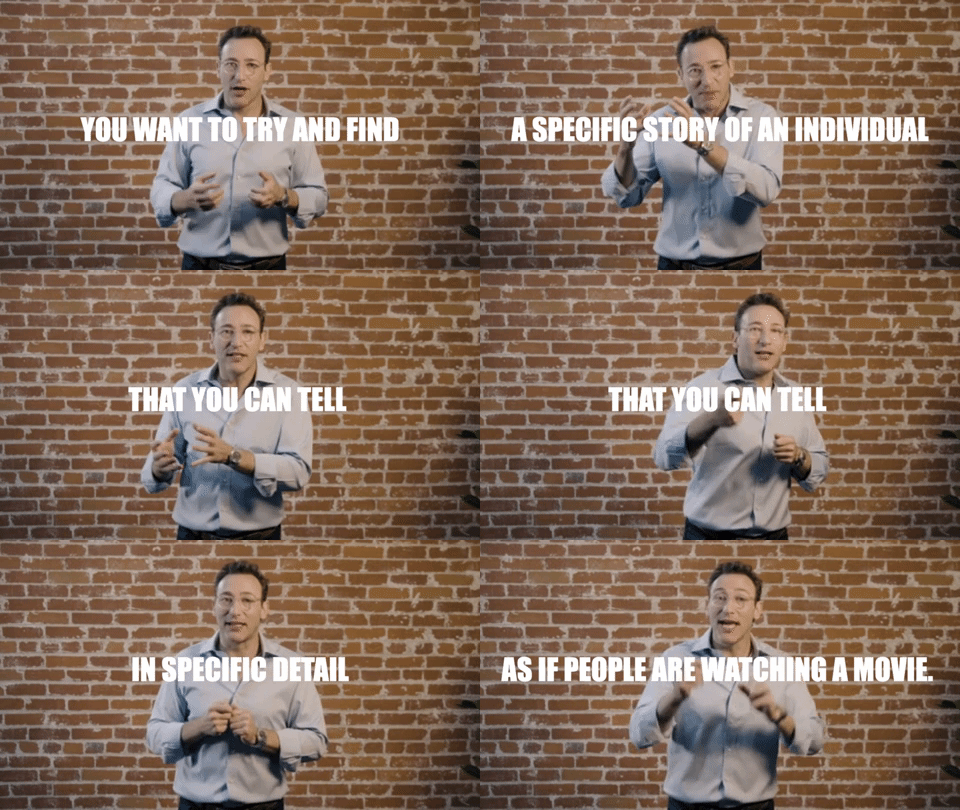
When it comes to storytelling, specificity is key in capturing your audience’s investment in your message. In fact, a study conducted in 2009 revealed that emotionally engaging narratives inspire post-narrative actions. This means that if you can tell a story that resonates with your audience, they will not only remember your presentation better but also be more inclined to act upon your intended message.

So, when considering how to start a presentation, remember the power of a well-crafted question, a surprising fact, a bold statement, or a compelling story. These techniques will help you grab your audience’s attention and set the stage for a memorable and impactful presentation.

Tip Four: How to Start a Presentation the Wrong Way

You’re Using Jargon

To avoid alienating your audience, refrain from using jargon or technical terms that may not be universally understood. The key to effective communication is making your audience feel included and part of the conversation. Therefore, use familiar terms and take the time to explain any unfamiliar ones, ensuring that everyone feels engaged and included in your presentation.

You’re Memorizing Your Material

Memorization can hinder your ability to connect with your audience authentically and make you sound robotic. Instead, focus on deeply understanding the key concepts and ideas you want to convey, allowing for flexibility and natural conversation during your presentation. Studies have shown that being intimately familiar with your material, rather than relying on memorization, better prepares you to speak confidently and effectively.

You’re Relying Too Much on Your Slides

While slides are a common tool in presentations, it’s important not to rely on them as a crutch. Your visuals should support your message, but it’s your responsibility to deliver it effectively. Depending too heavily on slides can lead to failure if technical issues arise or if you forget necessary equipment. Being well-versed in your topic reduces the need to rely on slides to speak on your behalf.

You’re Expecting Perfection

Perfection is unattainable, and it’s important to remember that mistakes can happen to anyone, including yourself. Whether it’s a technical glitch or a momentary lapse, embrace the fact that we are all human and errors are a natural part of the process. As Simon can attest, nobody is immune to making mistakes.

Tip Five: How to Present Your First PowerPoint Slide

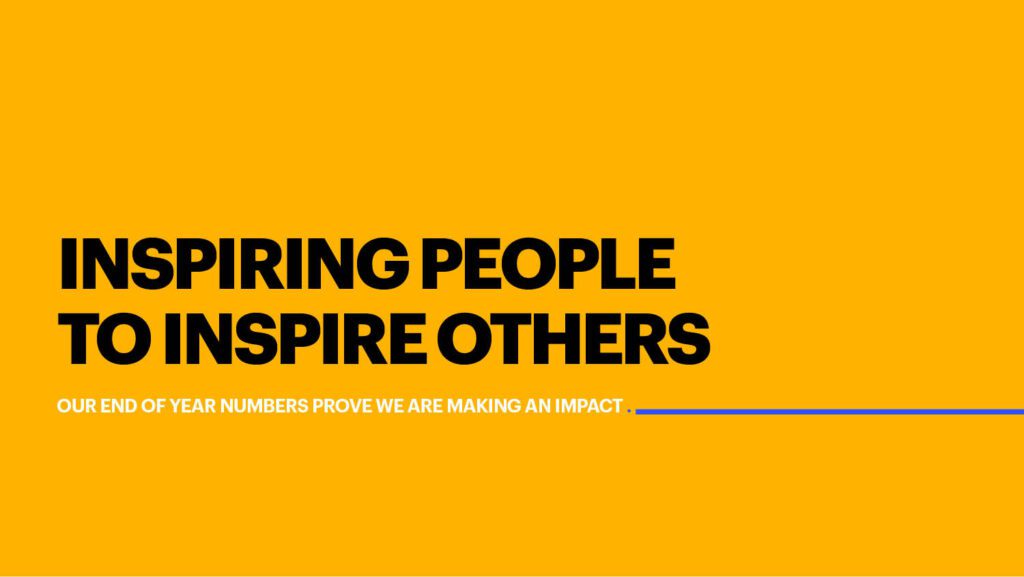
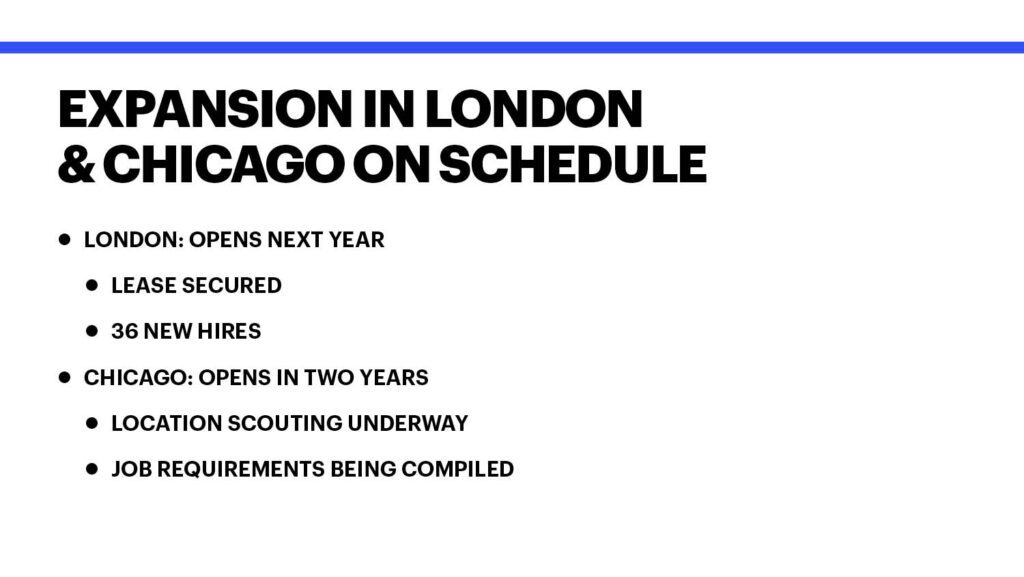
Using slides and visual aids can enhance your presentation, as 65% of individuals learn best visually. To make a strong first impression, create a visually appealing slide that provides a clear overview of your topic. Avoid clutter and excessive text, opting for graphics and key points that engage your audience. Remember, knowing how to start a presentation can be daunting, but with the right mindset and preparation, you can succeed. 

DO This: 

NOT This: 


Now It’s Time to Take Action!

If you’re eager to become a master presenter, there’s a whole world of skills and techniques waiting for you to explore. Dive deeper into the art of presenting by enrolling in The Art of Presenting with Simon course. This comprehensive program covers everything from preparation and storytelling to creating impactful slides. Embark on your journey towards delivering unforgettable presentations today!

For more on The Art of Presenting, click here 

Thrive Causemetics Founder Karissa Bodnar Reveals One Simple Thing Too Many Leaders Forget

The $500 billion beauty industry may have no shortage of innovative leaders, but it’s hard to
believe that many can match the drive and vision of Karissa Bodnar, the 34-year-old CEO of Thrive Causemetics, a direct-to-consumer brand.

Raised on a farm in Washington, Bodnar spent much of her childhood with her nose in beauty
magazines and Bobbi Brown books. At the age of 18, she became a makeup artist at a local Sephora store. By the time she turned 20, she had secured a marketing assistant role at a
company later acquired by L’Oreal. However, a tragic event that altered her life’s course—a dear friend’s battle with a rare form of cancer—prompted her to establish Thrive Causemetics in 2015. The brand’s focus on vegan and clean beauty products, designed to be gentle on the
human immune system, became Bodnar’s mission.

In just five years, Thrive Causemetics was generating $150 million in annual revenue in an industry known for its fierce competition. Reflecting on this achievement, Bodnar admits that she is still coming to terms with it.

“I discovered my true purpose in the transformative power of beauty—whether it’s makeup, skincare, or hair care—and how it instills confidence in people,” Bodnar shares with Simon
in the latest episode of A Bit of Optimism.  “I firmly believe that confidence makes us unstoppable. But I never thought I would have founded a beauty company. The purpose behind Thrive Causemetics was so much bigger than anything I had thought of.” 

Start Your Learning Journey Today

At the Optimism Company, we teach the human skills you need to unlock your potential and inspire a brighter future. Click below to read about The Optimism Library— our extensive collection of class offerings.

Amid the rollercoaster journey of building a business, Bodnar emphasizes a fundamental
truth that she never loses sight of—a lesson that many leaders often overlook.

“I am the consumer,” she explains. “I work in the beauty industry because I freaking love makeup and skincare. I love it. And I’m a science nerd and I love how makeup makes people feel confident.”

It’s this passion for the product that empowers her to never compromise on quality for short-
term gains. “I’m constantly being told by different people in the industry, well, you could really improve your gross margin if you did X, or if you cut this ingredient,” she says. “And from my perspective, it’s like, ‘I am the consumer. I don’t want a subpar product. I want something that’s excellent.’”

After all, she explains, the world didn’t need another mascara. “We created something that
was truly differentiated,” she says. “My values are that you don’t need to test on animals or use animal products in your makeup for them to be effective. And I care about products being
kind to animals, to the earth, to humans, and to the people who are using them. And to me, if I’m putting my name and my time behind something, I need to really believe in it.”

To hear their entire conversation, check out the full interview by clicking right here. And if you’re feeling inspired to learn your own purpose at work, read up on Simon’s course, Find Your WHY, here.

What the Navy SEALs Can Teach Businesses About Team-Building

Simon and the Navy SEALs

“Spending time with the military certainly lends itself to some remarkable experiences, and I’ve been privileged to have had my share.” –Simon

In the world of elite military units, few embody the spirit of trust, teamwork, and unwavering commitment that Simon often talks about quite like the Navy SEALs. Let’s explore the secrets behind their exceptional performance and the crucial role of trust in their achievements.

The Essence of Trust  

Trust is the foundation upon which the Navy SEALs build their remarkable accomplishments. As Simon emphasizes, trust is the bedrock of any high-performing team. The SEALs epitomize this truth, relying on each other’s expertise and unwavering commitment to the mission. This level of trust enables them to tackle unimaginable challenges with unflinching confidence, knowing that their teammates have their back.

How to Build a Trusting Team

Trust within the Navy SEALs is not an abstract concept. It is a tangible force that is meticulously cultivated. SEAL teams undergo rigorous training that instills the values of trust, collaboration, and shared purpose.

Simon often highlights the power of a shared purpose. It is through having a shared purpose that individuals are driven to overcome obstacles and make sacrifices. Navy SEALs exemplify this by prioritizing the team’s interests above their own, willingly sacrificing personal comfort and safety for the greater good. It is their unyielding dedication that fuels their unwavering trust in one another.

Rich Diviney is a retired Navy SEAL commander, a leadership and human performance expert, and a bestselling author. He collaborated with Simon to create Build Trusting Teams and is one of our amazing Optimist Instructors that gives keynotes, facilitates workshops, and teaches live online classes. 

The Role of Servant-Leadership

The leadership style within the Navy SEALs aligns closely with the principles of servant leadership advocated by Simon. By creating an environment of psychological safety and open communication, leaders in the SEAL community encourage their team members to rely on one another’s strengths, forging bonds that withstand the most extreme conditions. SEAL leaders exemplify humility, empathy, and a genuine desire to serve their team members. When they lead from the front, they foster trust and respect, inspiring others to follow their example. Through their selfless acts, SEAL leaders create a culture of trust and enable the entire team to unlock their full potential.

More From Simon + The Military

Simon’s cause, his WHY, has been significantly impacted and amplified by the time he has spent with men and women in uniform. It is from those in the military that he has learned the true definition of service. Check out the insightful conversations below:

Salute to Service

As a way of saying thank you to those who volunteer to serve, we are offering a 75% military discount on our online products: Find Your WHY, The Art of Presenting, and The Optimism Library. This discount is a small token of our appreciation and is for all U.S. active military and veterans, home and abroad.

For more information, click here.

Putting It In Practice

As Simon teaches, when trust becomes the cornerstone of our actions and relationships, we can unlock the true potential of ourselves and our teams.

Looking to Build Trusting Teams or bring the message of Leaders Eat Last to your team?

Contact our Experiences Team for a private class, keynote, or workshop.

How Gen Z is Transforming the Workplace

Embracing Gen Z’s Unique Perspective

In today’s rapidly evolving workplace, understanding the dynamics of different generations is crucial for success. So, this week on our LinkedIn page, we asked what generation (other than your own 😉) you admire most in the workplace and what specific qualities you appreciate. 

The latest generation to enter the workplace, Gen Z is in the spotlight (and often under a microscope) as they navigate the start of their careers. With over 4,000 votes in our poll, it’s clear they bring a unique perspective and fresh set of skills that a number of you took the time to mention: 

"I find that Gen Z has an extraordinary appreciation for fairness. I'm looking forward to seeing how they shape the workplace and economy."
Janet L.
"A lot of Gen Z's are so hungry to learn and have a unique ability to accept and change when they learn a better way of doing things..."
Scott W.

Let’s explore some other hallmarks of Gen Z employees.

The first characteristic that sets Generation Z apart is their status as digital natives. Having grown up in a world dominated by technology, they’ve learned emerging tools and platforms with fluency. Their tech-savvy allows them to adapt quickly to new systems and processes, making them valuable assets in a rapidly changing work environment.

Organizations can leverage this by integrating cutting-edge technology into their operations, enhancing productivity and efficiency. Gen Z’s knowledge of emerging platforms and digital trends can also help companies stay ahead of the curve, enabling them to innovate and remain competitive in an ever-evolving market.

One of the key aspects that sets Gen Z apart is their unwavering desire for purpose-driven work—they are determined to make a meaningful impact in their careers. Organizations that align their values and missions with Gen Z’s sense of purpose will attract and retain their talent. By showcasing how their work contributes to a greater cause, companies can inspire Gen Z employees to unlock their full potential.

The COVID-19 pandemic has accelerated the shift toward remote work, and Gen Z is well-equipped to adapt to this new normal. They are comfortable using virtual communication tools and can maintain productivity while working remotely.

That said, work-life balance is a top priority for Gen Z. They value personal time and seek flexibility in their schedules. Organizations that can offer remote work options and flexible hours are more likely to attract and retain Gen Z employees. By empowering Gen Z employees to manage their time effectively, companies can create an environment that fosters productivity, creativity, and overall job satisfaction.

Generation Z thrives on collaboration and connection. They are accustomed to constant communication and seamless teamwork facilitated by digital tools. Employers can leverage this by providing collaborative platforms and encouraging cross-functional cooperation.

Gen Z also values open communication and appreciates regular feedback. Employers who prioritize transparent and constructive conversations cultivate a culture of trust and empowerment, fostering stronger relationships within the organization.

Traditional leadership styles may not resonate with Generation Z. They prefer a more collaborative and inclusive approach to leadership. Gen Z employees thrive when they feel heard and valued. This happens more often when leaders adopt a more collaborative and inclusive approach, focusing on mentorship and coaching. By providing guidance and opportunities for growth, leaders can help Gen Z employees develop their skills and navigate the complexities of the modern workplace.

Simon’s Thoughts on Gen Z 

As a trained ethnographer, Simon has long been fascinated by people and the patterns in how we think, act, and communicate. 

With so many people wondering about Gen Z and generational dynamics at work, Simon sat down with David and Jonah Stillman—a father-son research duo who specialize in generational differences and their impact on the workplace. Listen to their full conversation on A Bit of Optimism:

Then, check out these videos from Simon. 

Simon and Millennials

Before Gen Z became the new generation in the workplace, Simon went viral for discussing Millennials in the workplace during an interview. Watch the full video here:

To learn more about working with Gen Z, Millennials, (and other generations) in your workplace, check out this class in the Optimism Library!

Bridging the Generation Gap at Work

Boomers, Gen X, Millennials, and Gen Z all have one thing in common: we have to figure out how to best communicate with coworkers from different generations.

..and there’s more where that came from! Subscribe to The Optimism Library for over 40 of our very best class recordings, with more added every month and online access everywhere.

Curiosity is essential
                for progress.
SimonSignature

We fully agree, so we like to reward curiosity.
Use code GETCURIOUS for 20% off your next purchase.

A spark is something quite small and, by itself, not very powerful. But a spark has the ability to ignite. An idea is like a spark; alone it is just a set of words, but it too can ignite. A great idea can inspire others to dream bigger. Let us all work together to ignite something greater than ourselves.

Let us all be a Spark of Optimism.